🌐 Professional Aesthetic Equipment Manufacturer | Global Supply | CE Certified


How to Vet an Overseas Aesthetic Device Manufacturer: 5 Red Flags Buyers Often Miss


Sourcing aesthetic and medical-grade beauty devices from overseas manufacturers can significantly boost your profit margins. But it also comes with severe quality, compliance and legal risks.
Sourcing medical-grade aesthetic devices from overseas manufacturers can boost your profit margins significantly — yet it brings major quality, compliance and legal risks. Many importers rush to place orders without thoroughly auditing a factory’s internal quality control standards, only to encounter unstable device performance, frequent breakdowns, client safety complaints, customs delays and lasting harm to their salon brand.
From inferior raw materials to absent standardized testing and unresponsive after-sales support, you can avoid costly losses by watching for these five warning signs before transferring any deposits.
1.They Can’t Produce Authentic Certification Documents — Only Empty Claims
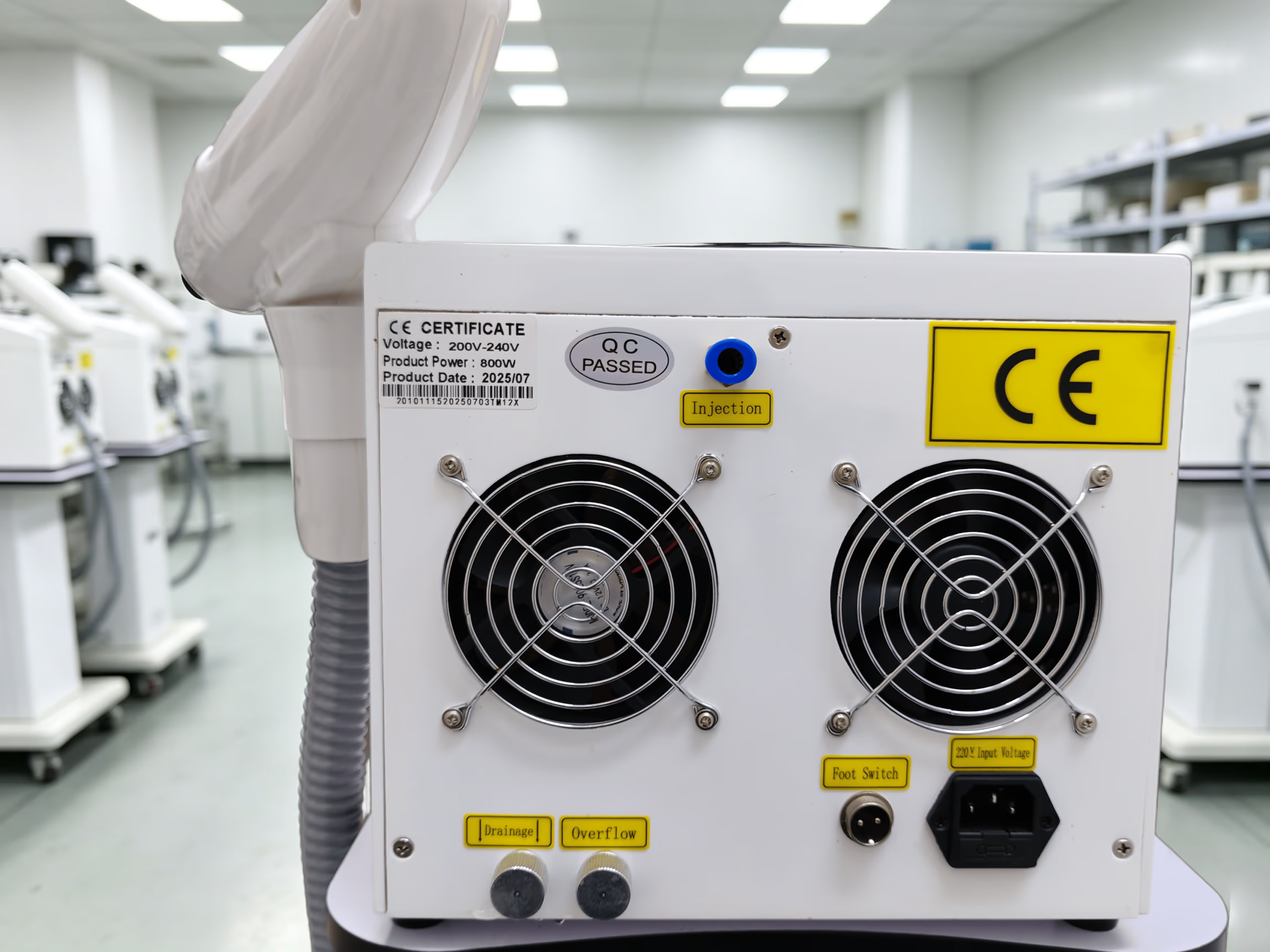
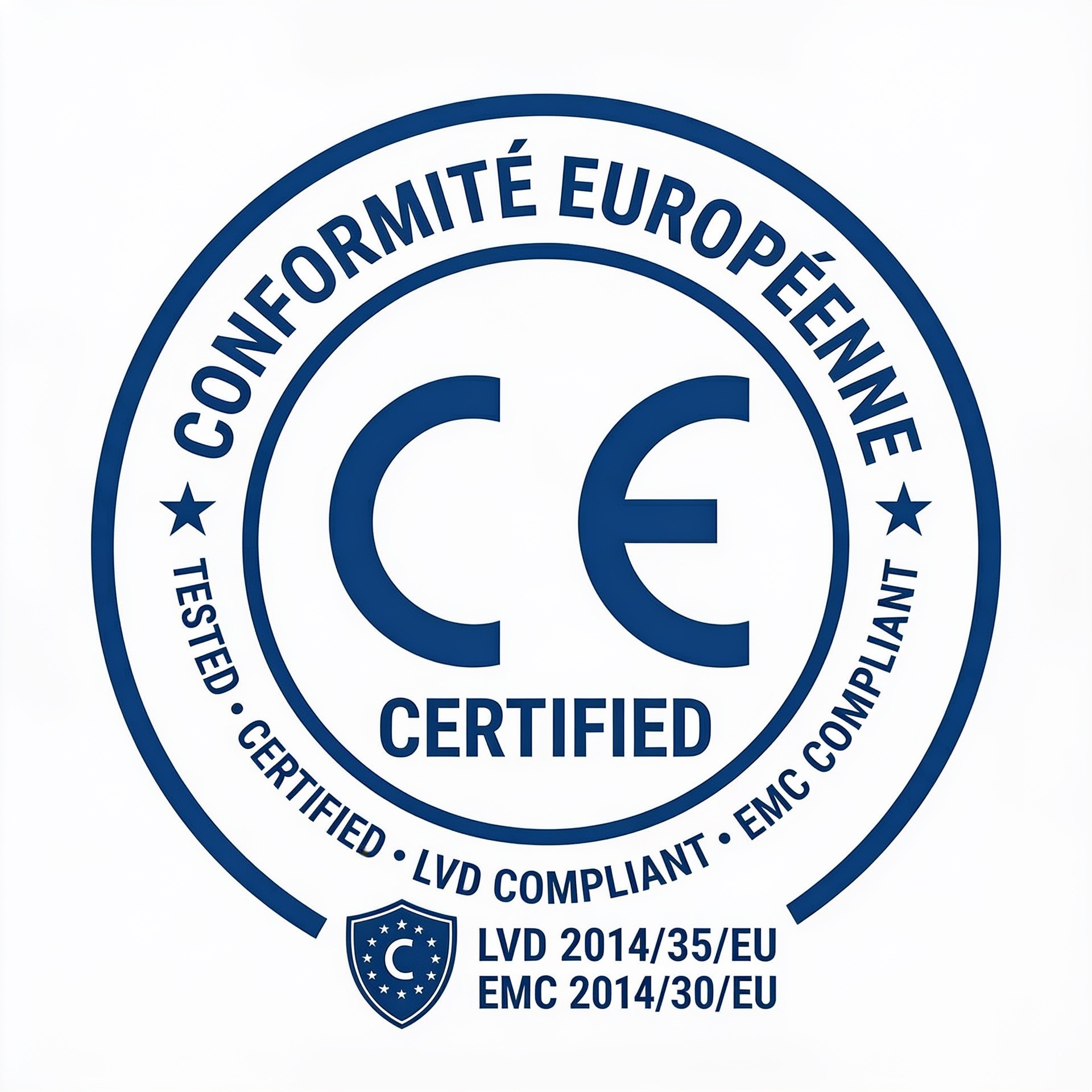
Trustworthy aesthetic device brands uphold unified production compliance standards supported by recognized industry certifications including CE and ISO 13485, which establish fundamental ground rules for consistent production and safety control.
Unqualified small workshops frequently skip formal compliance reviews. They supply unofficial, self-issued certification paperwork that will not pass customs inspections across mainstream markets. Once your units get detained at the border, you will face fines, disrupted operational schedules and heavy financial losses.
A qualified supplier should readily share complete technical files and third-party test reports to verify every unit meets international safety standards. If a seller hesitates or cannot provide full compliance documentation, this is an obvious warning sign.
2.Their “Quality Control” Lacks Documented Workflow Stages
This is the most critical factor that directly shapes your long-term operational experience. Reputable factories implement comprehensive, documented end-to-end QC workflows covering every phase of production.
Unregulated suppliers cut corners on core quality procedures: raw material screening, component aging tests, energy stability calibration, 48-hour full-load operational testing and batch archiving for traceability. The direct outcomes are inconsistent treatment results, frequent machine malfunctions, and elevated risks of skin irritation or burns for your clients.
Top-tier manufacturers separate quality checks into clearly defined phases: incoming component verification, semi-finished product random sampling, full-unit aging testing and pre-delivery final inspection. Every procedure follows fixed testing thresholds with archived records to sustain extremely low defect rates.
3.After-Sales Support Is Outsourced, Not Managed In-House
Even well-engineered devices may require occasional maintenance or parameter adjustments. Factories without systematic quality management cannot deliver standardized after-sales services.
Many small trading companies outsource all repair work. When your device malfunctions mid-treatment, slow spare-part deliveries and delayed technical guidance can halt salon revenue for days or even weeks.
Manufacturers with mature internal quality control systems employ dedicated engineering teams, maintain consistent spare parts stock and operate global remote troubleshooting channels to minimize operational downtime.
4.Core Components Are Swapped After You Confirm the Order
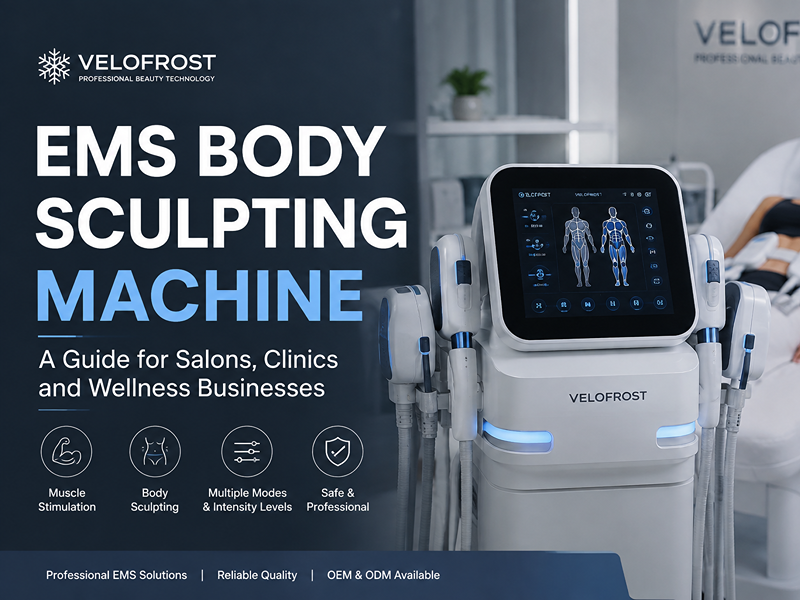
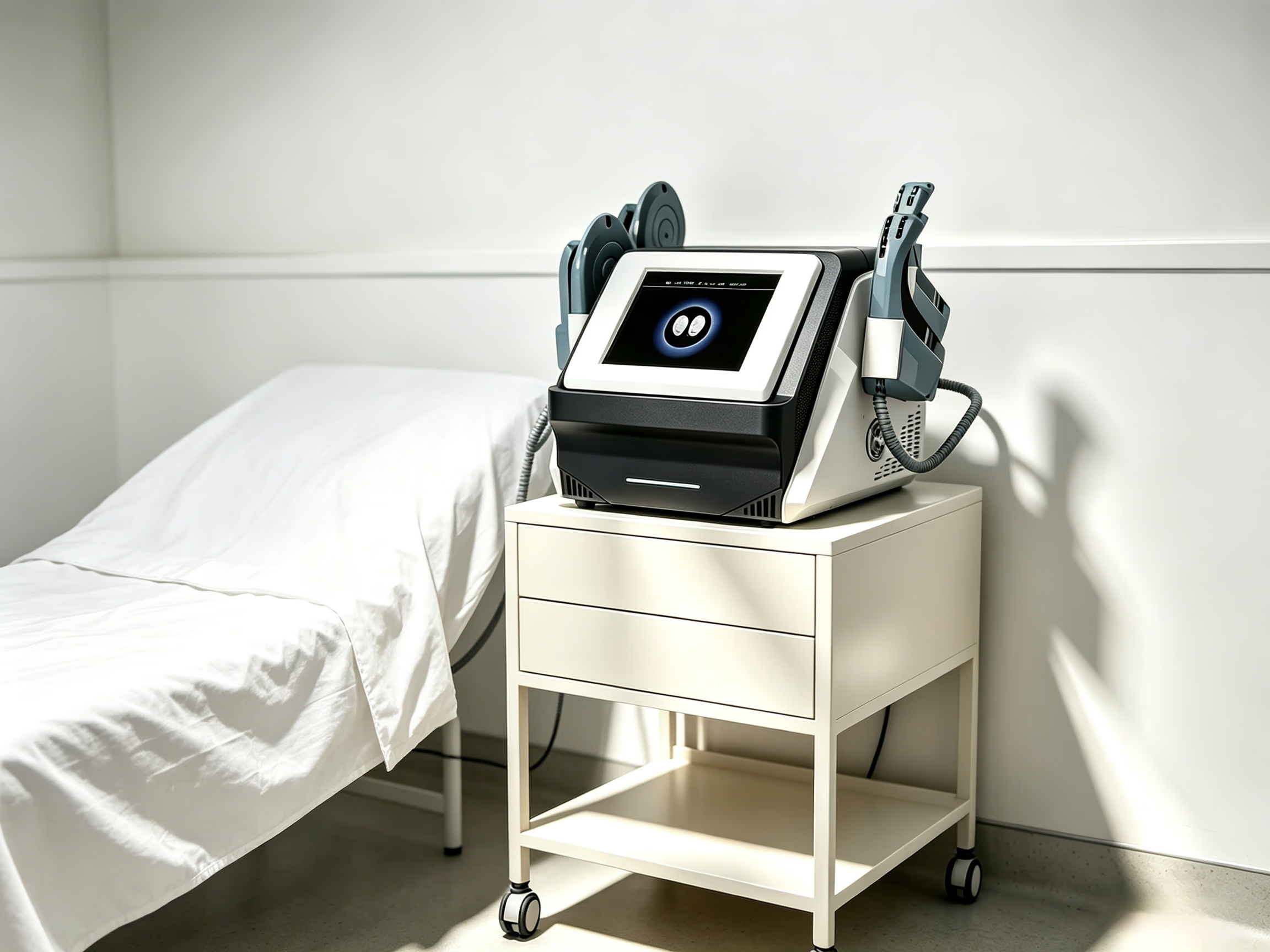
Suppliers without strict material management protocols often replace original core chips, cooling coils, energy emitters and safety sensors with low-cost counterfeit components after order confirmation to reduce production costs. To understand how these parts impact performance, explore our breakdown of HIFEM/EMS/RF body sculpting device mechanisms.
Unauthorised component substitution creates inconsistent treatment outcomes and hidden safety hazards. Formal quality control systems lock all component specifications within official production documents; any material modification requires advance notification and renewed performance testing before mass production begins. No arbitrary part replacements are permitted.
5.They Cut Off Communication After Shipment
Quality management does not end once units leave the factory. High-standard manufacturers track real-world usage feedback for every batch, document adverse operational issues and continuously improve product iterations.
Unregulated small suppliers ignore post-market feedback entirely. If a device causes client discomfort or performance failures, they refuse to take subsequent accountability, leaving your salon to bear all compensation costs and reputational damage alone.
Partnering with Velofrost: Strict Full-Lifecycle Quality Control Built In
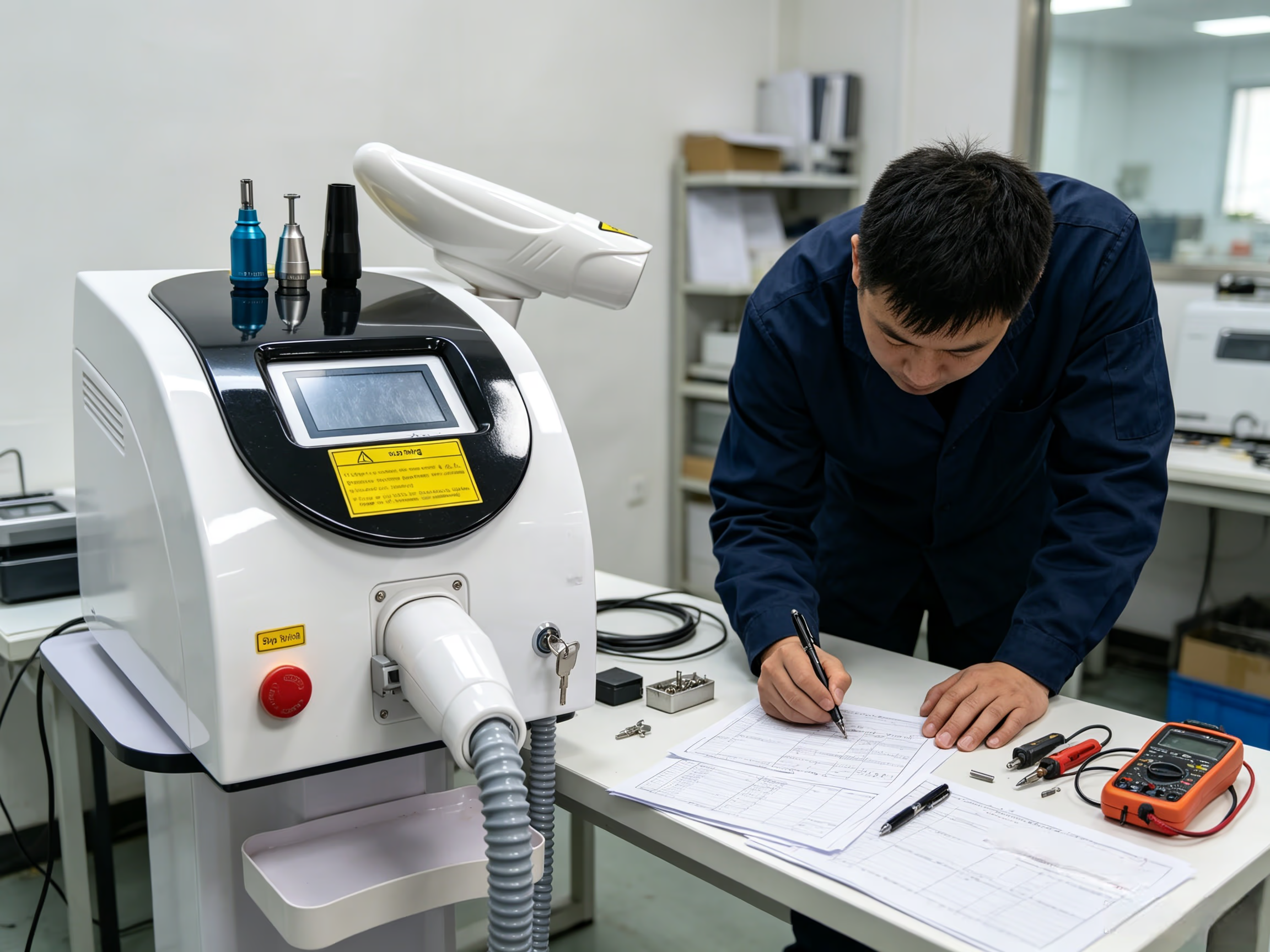
To mitigate quality and import risks for global clinics and distributors, Velofrost operates a complete end-to-end quality management system built upon formal CE and ISO 13485 compliance frameworks.
With 15 years of experience focused on R&D for premium aesthetic devices, our 3,000㎡ standardized factory follows rigorous full-process inspection protocols that exceed basic certification requirements. We have established 12 exclusive in-house inspection standards covering raw material validation, R&D performance verification, multi-stage production sampling, 48-hour aging testing and finished-product final audits. Our systematic quality control keeps the overall machine defect rate below 0.3%, far outperforming the general industry average of 2%–5%.
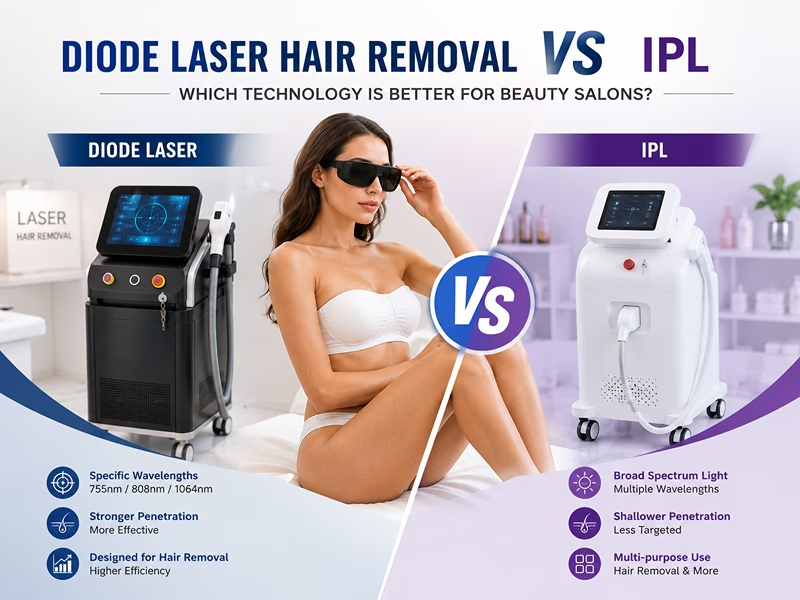
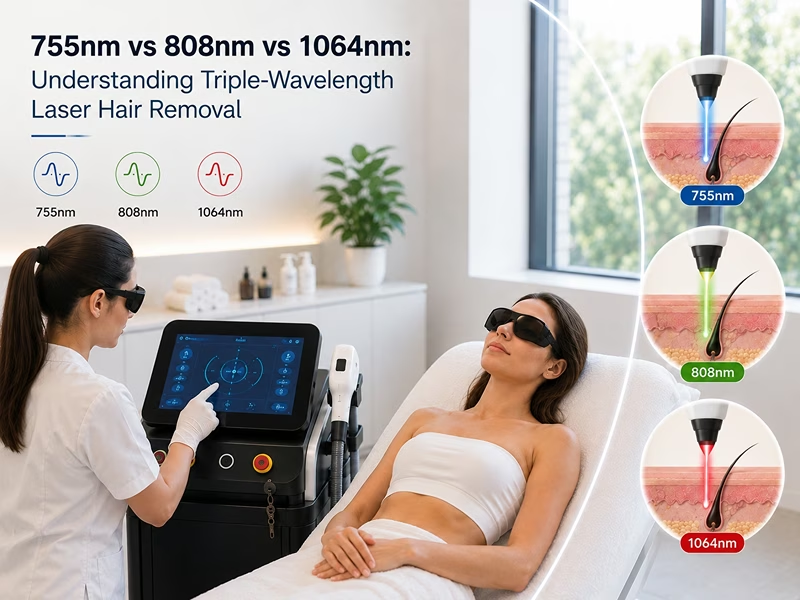
All core device lines, including cryolipolysis, HIFU, RF, EMS sculpting and laser devices, undergo unified stability and safety testing prior to shipment. Unlike small intermediary trading firms with no manufacturing capacity, we own independent R&D laboratories and complete production lines, enabling full in-house oversight of every quality stage rather than outsourced manufacturing.
We maintain stable spare parts inventory and a dedicated global after-sales engineering team, providing lifelong remote technical guidance and fast component delivery within 3–7 working days to avoid prolonged salon downtime. Over the past 15 years, we have collaborated with beauty distributors and med spas across more than 45 countries, with zero mass quality complaints or customs detention incidents. Every batch of devices comes with complete test records and compliance documentation to facilitate smooth global import clearance.
FAQ
What role do CE and ISO 13485 play in aesthetic device production?
They set unified baseline safety and quality specifications for medical aesthetic devices, standardizing production testing, risk control and cross-border market access requirements for manufacturers worldwide.
What full-process quality control links should a reliable factory provide?
Raw material incoming inspection, semi-finished product spot checks, long-hour full-load aging testing, energy output calibration, finished machine safety performance testing, batch record archiving and post-market usage feedback tracking.
What losses will unqualified quality control bring to beauty salons?
Unstable machine performance leads to poor client experience and lost repeat customers; frequent breakdowns disrupt daily treatment services; uncertified devices expose operators to customs seizure and legal compensation risks in the event of safety incidents.
How can I verify a factory’s real quality control capacity before placing orders?
Request detailed production inspection workflows, batch test reports, on-site workshop testing footage and genuine records of cooperation with international importers for reference.
Want to See Our QC Records Before You Order?
Request our full inspection documentation and CE/ISO 13485 files — no obligation.
Contact for Inquiry
• WA/Wechat: +852 90462511
• Email: susie@velofrost.com